






Cleanroom Sandwich Panels
PU cleanroom panel
In Malaysia food & beverage innovation hubs and dairy processing lines, NSF/ANSI 169-compliant wall systems prevent biofilm buildup. Our Malaysia Cleanroom wall panels feature seamless coving, IP65-rated electrical penetrations, and steam-cleanable joints — supporting HACCP and HALAL certification audits.
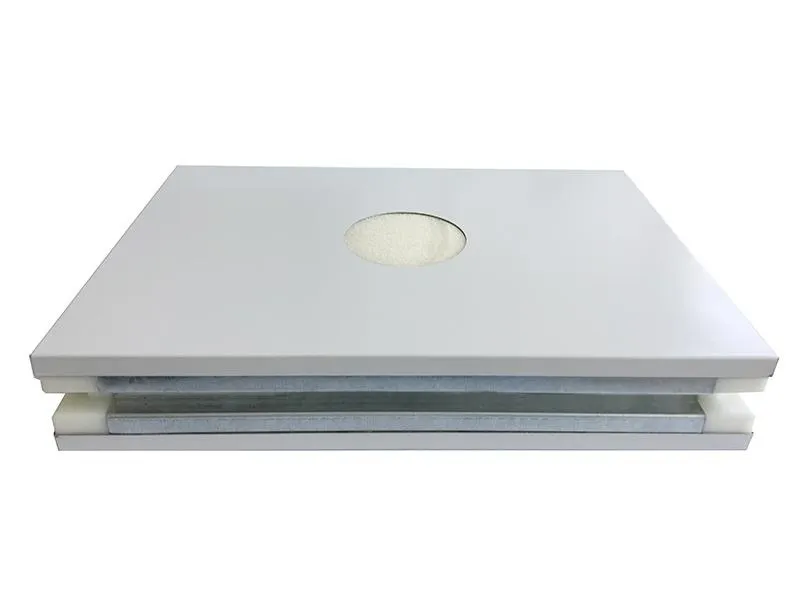
High-Performance PU cleanroom panel: Engineered for Malaysia’s Critical Manufacturing Sectors
In Malaysia’s rapidly expanding high-tech manufacturing landscape — from semiconductor wafer fabs in Kulim and Penang to biopharma facilities in Iskandar Puteri and EV battery assembly plants in Batu Kawan — consistent, reliable cleanroom integrity is non-negotiable. Contamination control starts with the envelope: walls, ceilings, doors, and partitions must deliver structural stability, thermal efficiency, fire safety, and seamless cleanability — all while meeting ISO Class 3–8 requirements.
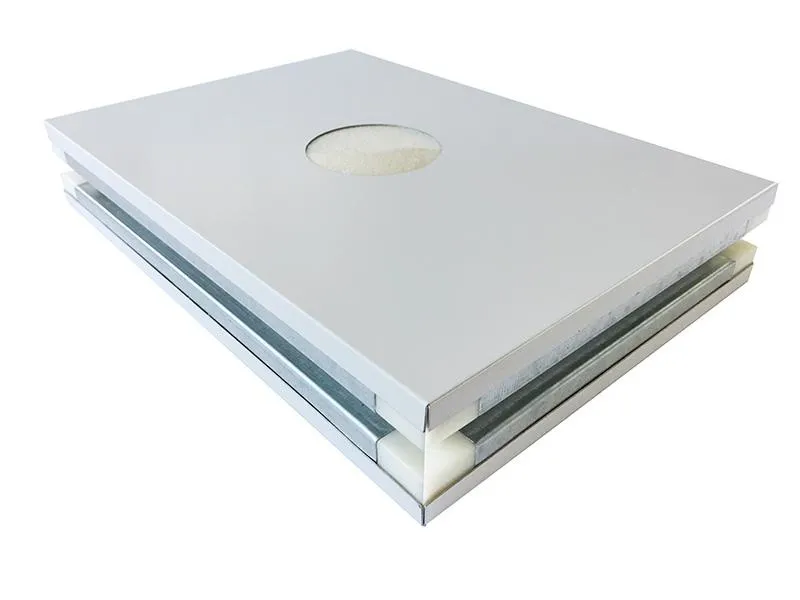
Our PU cleanroom panel is purpose-built for this demand. Featuring a rigid polyurethane (PU) core bonded between two pre-finished aluminum skins, it offers superior insulation (λ = 0.022 W/mK), zero off-gassing, Class A1 fire performance (EN 13501-1), and a smooth, non-porous surface that resists microbial adhesion and withstands aggressive disinfectants. Unlike traditional alternatives, PU panels eliminate cold bridging, reduce HVAC load by up to 18%, and support rapid, dust-free installation — critical for minimizing facility downtime during retrofit or expansion.
We complement the PU cleanroom panel with a full ecosystem of certified solutions: the lightweight yet ultra-rigid Clean room Aluminum Honeycomb panel for cleanroom ceilings and high-load partitions; cost-optimized EPS cleanroom panel for controlled non-critical zones; and durable, chemical-resistant hpl panels manufacturers solutions for lab casework and gowning areas. All are engineered and assembled locally in our ISO 9001-certified facility in Selangor — making us a trusted Malaysia cleanroom manufacturer serving Tier-1 suppliers across semiconductor, biomedical, aerospace, precision optics, food & beverage, automotive, and data centre sectors.
Whether you require Malaysia clean room wall panels, Malaysia Cleanroom ceiling systems, Malaysia cleanroom door assemblies with auto-close mechanisms and interlocked access, or fully integrated Malaysia prefabricated cleanrooms, our modular approach ensures compliance, speed, and scalability — without compromising on validation readiness.
Technical Specifications: Precision-Built for Real-World Performance
| Property | PU Cleanroom Panel | Aluminum Honeycomb Panel | EPS Cleanroom Panel | HPL Sandwich Panel |
|---|---|---|---|---|
| Core Material | Polyurethane (PU), closed-cell | Aluminum honeycomb (0.05 mm foil) | Expanded Polystyrene (EPS), density 14–16 kg/m³ | HPL-faced PU or mineral wool core |
| Standard Thickness | 50 mm, 75 mm, 100 mm | 25 mm, 30 mm, 40 mm | 50 mm, 75 mm | 30 mm, 40 mm, 50 mm |
| Thermal Conductivity (λ) | 0.022 W/mK | 0.045 W/mK | 0.036 W/mK | 0.023 W/mK (PU core) |
| Fire Rating (EN 13501-1) | Class A1 (non-combustible) | Class A2-s1,d0 | Class E (requires cladding upgrade for Class B) | Class B-s1,d0 (HPL + PU) |
| Surface Finish | 0.5 mm anodized aluminum (RAL 9006 / 9016) | 0.5 mm anodized aluminum or stainless steel | 0.5 mm prepainted aluminum (RAL options) | 1.0 mm HPL laminate (anti-static or standard) |
| Joint System | Cam-lock + silicone gasket (ISO 5–7 compliant) | Continuous tongue-and-groove + EPDM seal | Interlocking cam system with PVC gasket | Flush joint with concealed fasteners |
| Load Capacity (Ceiling Use) | Up to 120 kg/m² (with reinforcement) | Up to 250 kg/m² (ideal for FFUs & lighting) | Not recommended for suspended ceilings | Up to 150 kg/m² (HPL + steel frame) |
Application Excellence Across Malaysian Industries
In Malaysia semiconductor & electronics manufacturing, where particle counts below 0.1 µm dictate yield, our PU cleanroom panel forms the backbone of ISO Class 3–5 mini-environments — especially in lithography and metrology bays. Its low outgassing and dimensional stability prevent micro-vibrations and thermal drift. Paired with Malaysia Cleanroom wall partitions using aluminum honeycomb cores, it enables vibration-dampened enclosures for electron beam tools and AFM stations.
For Malaysia biomedical & life science labs and GMP manufacturing suites, hygiene is paramount. Our eps sandwich panel for clean room walls provides economical zoning for gowning, storage, and utilities — while HPL-clad panels serve as chemical-resistant work surfaces and biosafety cabinet surrounds. All systems comply with MS 1722:2011 and EU GMP Annex 1 requirements — validated with smoke testing and airborne particle mapping prior to handover.
Aerospace MRO facilities in Subang and Senai rely on Malaysia Cleanroom equipment rated for ISO Class 7–8 to assemble avionics and optical sensors. Here, our Malaysia modular cleanroom systems integrate seamlessly with existing hangar infrastructure — featuring anti-static flooring interfaces, HEPA-filtered ceiling grids, and pressure-staged Malaysia cleanroom door systems with real-time differential pressure monitoring.
In Malaysia food & beverage innovation hubs and dairy processing lines, NSF/ANSI 169-compliant wall systems prevent biofilm buildup. Our Malaysia Cleanroom wall panels feature seamless coving, IP65-rated electrical penetrations, and steam-cleanable joints — supporting HACCP and HALAL certification audits.
Automotive Tier-1 suppliers building ADAS modules and EV power electronics use our Malaysia prefabricated cleanrooms for rapid deployment in existing factory floors — reducing lead time by 40% vs. stick-built alternatives. And for hyperscale data centers & new energy battery test labs, our PU panels deliver both EMI shielding (when combined with conductive gaskets) and thermal resilience under continuous 24/7 operation.
As a vertically integrated Malaysia cleanroom wall panels manufacturers, we don’t just supply components — we co-engineer turnkey environments. From initial layout review and CFD airflow simulation to IQ/OQ documentation and commissioning support, our team works side-by-side with your engineering leads. Whether you need Malaysia clean room wall panels for a 20 m² QC lab or a 2,000 m² Class 5 cleanroom suite, we deliver certified, compliant, and future-ready cleanroom infrastructure — made in Malaysia, for Malaysia’s most demanding industries.
Get a project-specific quote in 24 hours
Send your cleanroom classification, floor area and finish requirements. Our Malaysia-based engineering team replies with a stamped datasheet, fire certificate and pricing — 7×24 technical support by email, phone or WhatsApp.
Chat on WhatsApp- 1 What is the proper procedure for using an air shower?
- 2 What Are the Core Materials and Specifications for Clean Room Panels?
- 3 How to Identify Reliable Manufacturers and Suppliers for Wall Systems?
- 4 What Distinguishes Partition Walls from Standard Partitioning Systems?
- 5 Specialized Panels for Green Energy and Solar Film Production?
- 6 Understanding Pricing Factors and Partition System Configurations?
- 7 How to choose the right door for a controlled environment?
- 8 Which wall panels offer the best protection against damage?
- 9 How does air purification impact clean room efficiency?
What is the proper procedure for using an air shower?
Enter, close outer door completely, stand in center, slowly rotate 360 degrees with arms raised for thorough coverage, wait for preset time (15-30 seconds), then open inner door and enter clean area
What Are the Core Materials and Specifications for Clean Room Panels?
Selecting the correct clean room panel material is critical for maintaining ISO standards across industries. Options include rock wool and aluminum. Detailed clean room panel specifications cover thickness, fire resistance, and surface smoothness. High-quality Clean room panels ensure structural integrity while meeting stringent environmental controls required for precision manufacturing processes.
How to Identify Reliable Manufacturers and Suppliers for Wall Systems?
Evaluating clean room panel manufacturers requires assessing certification records and capacity. A reputable clean room panel supplier provides support for integrating the clean room panel wall system into facilities. Teams should verify compliance with international standards before procurement. Proper selection ensures durability and minimizes maintenance costs across aerospace and automotive sectors.
What Distinguishes Partition Walls from Standard Partitioning Systems?
A clean room partition serves as a standalone divider, whereas a clean room partition wall offers structural support. Advanced clean room partitioning systems allow modular reconfiguration without compromising cleanliness. Solutions are vital for data centers and labs requiring flexible layouts. Installation must adhere to strict sealing protocols to maintain pressure differentials effectively.
Specialized Panels for Green Energy and Solar Film Production?
Facilities focusing on sustainability require clean room panels for green energy manufacturers designed with anti-static properties. Similarly, clean room panels for solar film manufacturers demand ultra-low outgassing materials. Using specialized clean room partition panels ensures product yield remains high. These support rigorous cleanliness classes needed for photovoltaic and battery production lines.
Understanding Pricing Factors and Partition System Configurations?
The clean room panel price varies based on material density, fire rating, and dimensions. A comprehensive Clean Room Partition System includes doors and profiles affecting budget. Comparing different clean room partition systems helps optimize costs without sacrificing performance. Food and beverage sectors prioritize washability, influencing final selection and expenditure planning for construction projects.
How to choose the right door for a controlled environment?
Selecting an aluminum clean room door depends on traffic flow and pressure requirements. Proper Aluminum frame door Design ensures airtight sealing to maintain pressure differentials. For high-traffic areas, automatic clean room doors reduce contamination risks by minimizing physical contact during entry and exit processes in critical zones.
Which wall panels offer the best protection against damage?
Aluminum Clean Room Wall Panels are engineered for impact resistance and easy cleaning. The Aluminium honeycomb gypsum panel combines fire resistance with structural stability. An Anti-fold special panel further enhances durability in corners, ensuring long-term performance without compromising the sterile conditions required for pharmaceutical or electronic manufacturing.
How does air purification impact clean room efficiency?
Effective air purification is critical for maintaining ISO standards. High-quality air filter units remove particulates from the circulation system. Large scale air purification projects require detailed planning regarding airflow patterns. Integration with HVAC systems ensures consistent environmental control. Monitoring particle counts validates effectiveness. Upgrading filtration media enhances safety and product quality within sensitive zones.
