






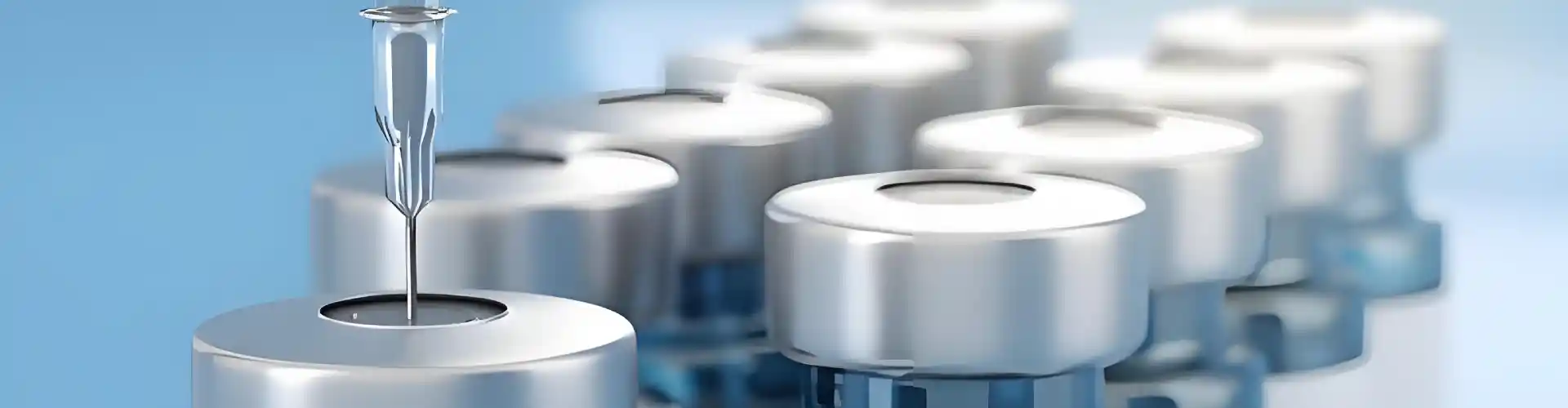
Cleanroom Sandwich Panels
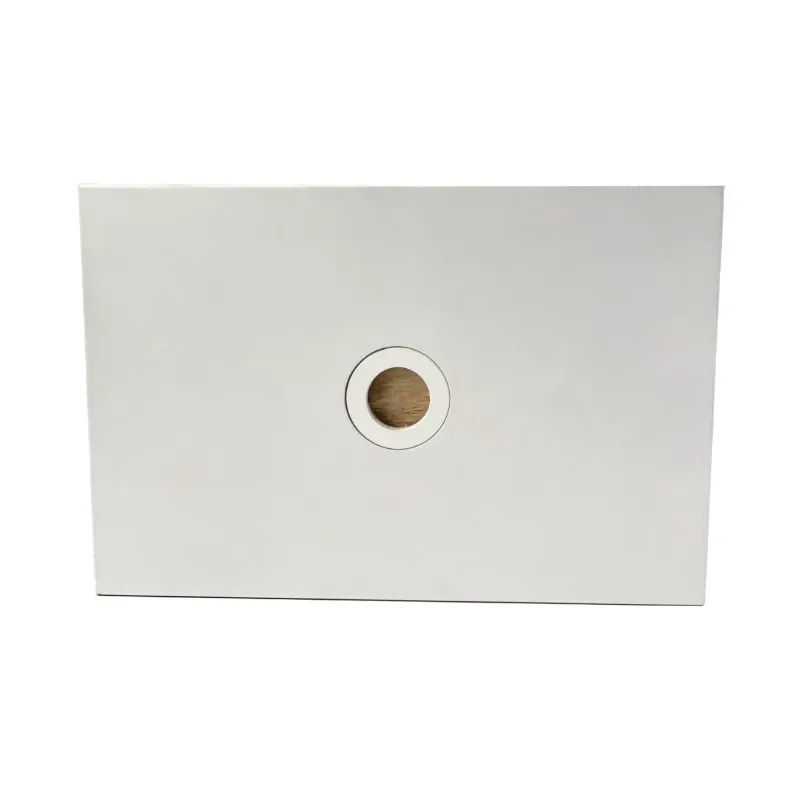
Magnesium Oxide Rock Wool cleanroom panel
Magnesium Oxide Rock Wool cleanroom panel is a composite building material that combines a magnesium oxide (MgO) board surface with a rock wool insulation core.
High-Performance Magnesium Oxide Rock Wool Cleanroom Panel — Engineered for Critical Environments
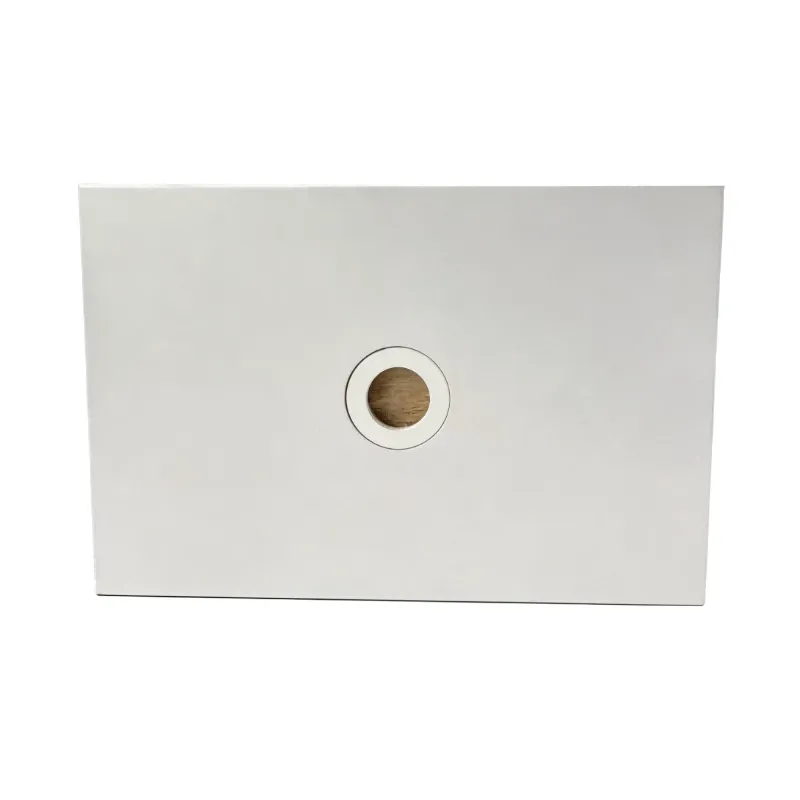
For engineering teams across semiconductor & electronics manufacturing, biopharmaceutical production, aerospace assembly, precision optics labs, food-grade processing facilities, automotive EV battery lines, and data center server rooms, consistent ISO Class 3–8 environmental control is non-negotiable. The Magnesium Oxide Rock Wool cleanroom panel delivers unmatched fire safety, dimensional stability, and particulate containment—without compromising structural integrity or long-term hygiene.
Unlike standard clean room panel material options (e.g., polyurethane or PIR cores), this composite integrates non-combustible MgO facings with high-density rock wool insulation (≥100 kg/m³, A1 fire rating per EN 13501-1). It resists thermal deformation up to 1,000°C, eliminates organic off-gassing, and withstands repeated CIP/SIP cycles—critical for clean room panels for green energy manufacturers producing hydrogen electrolyzers or battery module enclosures, and equally vital for clean room panels for solar film manufacturers requiring ultra-low VOC environments during thin-film deposition.
As a trusted clean room panel supplier serving Tier-1 OEMs and EPC contractors since 2008, we partner directly with global clean room panel manufacturers to ensure full traceability—from raw MgO batch certification to third-party cleanroom compatibility testing (ISO 14644-1 particle shedding, ASTM E84 smoke density). Whether you need modular clean room partition walls for a GMP cell therapy suite or a full Clean Room Partition System for an aerospace avionics test bay, our panels integrate seamlessly into load-bearing and non-load-bearing configurations. Competitive clean room panel price structures are available for volume projects—including turnkey design support, on-site commissioning, and lifecycle maintenance planning.
Technical Specifications: Precision-Built for Real-World Demands
| Parameter | Value / Detail |
|---|---|
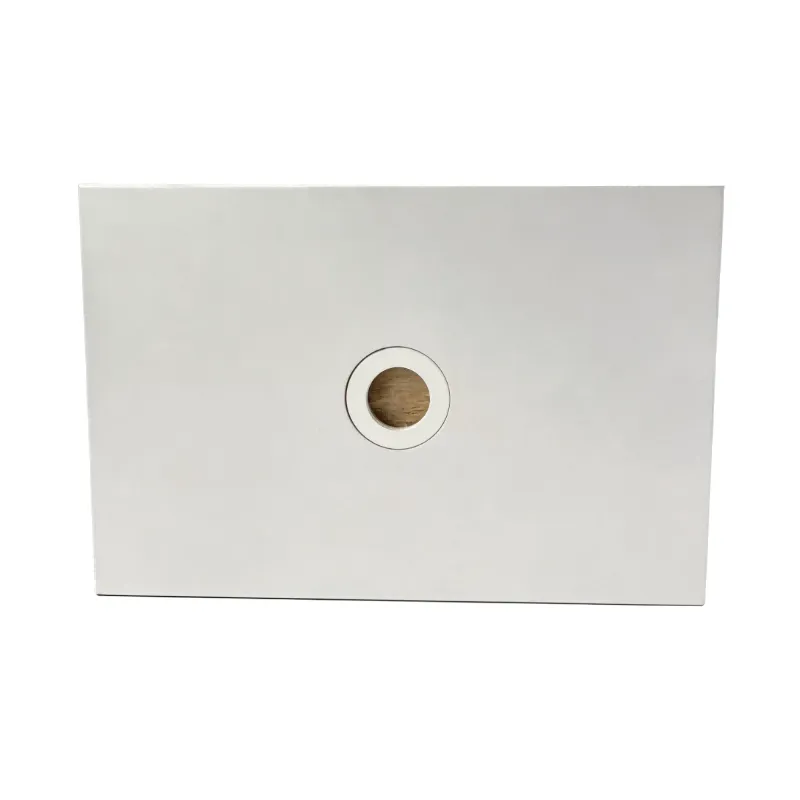
| Clean room panel specifications | Thickness: 50–150 mm (standard 75/100 mm); Width: 1,000–1,200 mm; Length: Up to 6,000 mm (custom) |
| Clean room panel material | A1-rated MgO board (3.2–6.0 mm) + hydrophobic rock wool core (λ = 0.038 W/m·K) |
| Clean room panel wall system compatibility | Supports T-profile, cam-lock, and continuous gasketed joints; integrates with aluminum extrusion frames, stainless steel tracks, and seismic bracing |
| Clean room partition panels | Pre-finished with epoxy-powder-coated MgO or optional HPL/PVC laminates (see clean room partition panels) |
| Clean room partition systems rating | ISO Class 5 compliant (≤3,520 particles ≥0.5 µm/m³); surface roughness Ra ≤ 0.8 µm; static decay < 2.0 sec (ANSI/ESD S20.20) |
| Clean room partitions fire performance | EN 13501-1: A1 (non-combustible); zero smoke toxicity (EN ISO 5659-2); no halogen emission |
| Clean room partition wall acoustic attenuation | Rw ≥ 42 dB (100 mm panel); tested per ISO 10140-2 (see clean room panel supplier) |
These Clean room panels meet stringent clean room partitioning systems requirements—including seamless coving, integrated utility chases, and anti-static grounding paths—making them ideal for clean room partiotion walls in sterile filling lines or photolithography tool bays. All panels undergo factory pre-assembly validation and come with full material declarations (REACH, RoHS, FDA 21 CFR 177.2600 for food contact zones).
Proven Application Across High-Stakes Industries
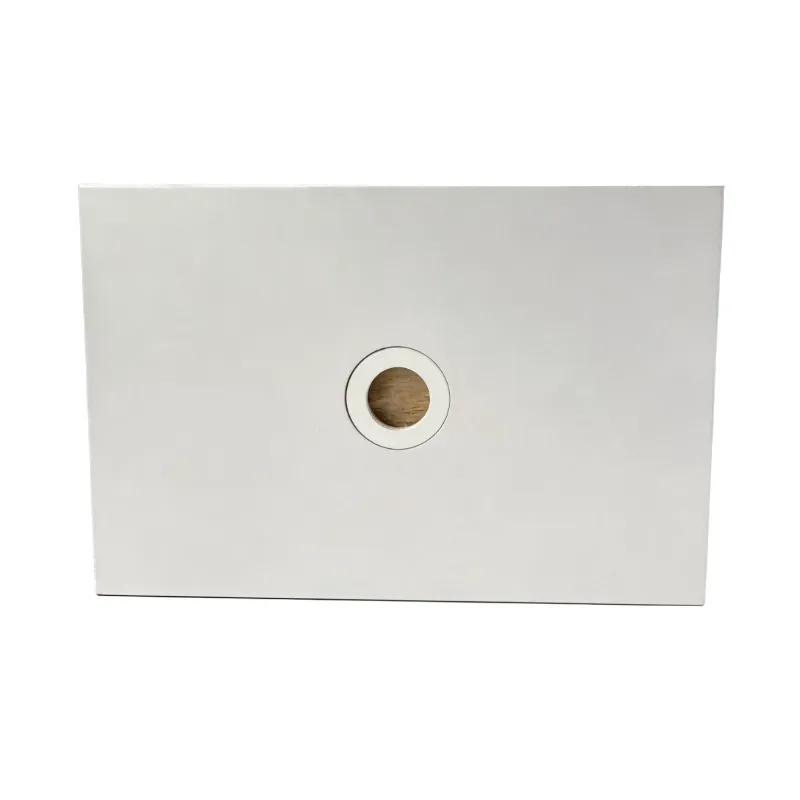
This Clean Room Partition System is not theoretical—it’s deployed where failure is not an option. In a Tier-1 semiconductor & electronics manufacturing facility in Singapore, our 100 mm MgO-rock wool panels reduced HVAC energy use by 18% versus PU-core alternatives—thanks to superior thermal inertia and zero thermal bridging at connections. For a biomedical & life science client scaling mRNA vaccine fill-finish capacity, the panels passed accelerated corrosion testing (85°C/85% RH × 1,000 hrs) and supported rapid reconfiguration of clean room partitions between campaign batches.
In aerospace applications—such as satellite payload integration cleanrooms—the panels’ low outgassing (<1.0% TML, <0.1% CVCM per ASTM E595) prevents lens fogging and sensor drift. For precision instruments & optical labs, the rigid MgO substrate minimizes micro-vibrations and maintains flatness under vacuum chamber cycling. Automotive clients building EV battery manufacturing lines rely on these panels to contain metal dust while meeting NFPA 85 and UL 2750 explosion mitigation standards.
Even in food & beverage and data center & new energy settings, the value shines: Our clean room panels for green energy manufacturers (e.g., solar wafer handling, fuel cell stack assembly) eliminate silicone migration risks that degrade PERC cell efficiency. And for hyperscale data centers needing edge compute cleanrooms, the panels’ fire resilience and fast-track installation cut deployment time by 35% versus traditional gypsum systems. Explore full technical documentation, CAD/BIM libraries, and project references via our clean room panel resource hub—or contact our engineering team to benchmark clean room panels manufacturers options against your exact ISO class, throughput, and compliance roadmap.
Get a project-specific quote in 24 hours
Send your cleanroom classification, floor area and finish requirements. Our Malaysia-based engineering team replies with a stamped datasheet, fire certificate and pricing — 7×24 technical support by email, phone or WhatsApp.
Chat on WhatsApp- 1 What is the proper procedure for using an air shower?
- 2 What Are the Core Materials and Specifications for Clean Room Panels?
- 3 How to Identify Reliable Manufacturers and Suppliers for Wall Systems?
- 4 What Distinguishes Partition Walls from Standard Partitioning Systems?
- 5 Specialized Panels for Green Energy and Solar Film Production?
- 6 Understanding Pricing Factors and Partition System Configurations?
- 7 How to choose the right door for a controlled environment?
- 8 Which wall panels offer the best protection against damage?
- 9 How does air purification impact clean room efficiency?
What is the proper procedure for using an air shower?
Enter, close outer door completely, stand in center, slowly rotate 360 degrees with arms raised for thorough coverage, wait for preset time (15-30 seconds), then open inner door and enter clean area
What Are the Core Materials and Specifications for Clean Room Panels?
Selecting the correct clean room panel material is critical for maintaining ISO standards across industries. Options include rock wool and aluminum. Detailed clean room panel specifications cover thickness, fire resistance, and surface smoothness. High-quality Clean room panels ensure structural integrity while meeting stringent environmental controls required for precision manufacturing processes.
How to Identify Reliable Manufacturers and Suppliers for Wall Systems?
Evaluating clean room panel manufacturers requires assessing certification records and capacity. A reputable clean room panel supplier provides support for integrating the clean room panel wall system into facilities. Teams should verify compliance with international standards before procurement. Proper selection ensures durability and minimizes maintenance costs across aerospace and automotive sectors.
What Distinguishes Partition Walls from Standard Partitioning Systems?
A clean room partition serves as a standalone divider, whereas a clean room partition wall offers structural support. Advanced clean room partitioning systems allow modular reconfiguration without compromising cleanliness. Solutions are vital for data centers and labs requiring flexible layouts. Installation must adhere to strict sealing protocols to maintain pressure differentials effectively.
Specialized Panels for Green Energy and Solar Film Production?
Facilities focusing on sustainability require clean room panels for green energy manufacturers designed with anti-static properties. Similarly, clean room panels for solar film manufacturers demand ultra-low outgassing materials. Using specialized clean room partition panels ensures product yield remains high. These support rigorous cleanliness classes needed for photovoltaic and battery production lines.
Understanding Pricing Factors and Partition System Configurations?
The clean room panel price varies based on material density, fire rating, and dimensions. A comprehensive Clean Room Partition System includes doors and profiles affecting budget. Comparing different clean room partition systems helps optimize costs without sacrificing performance. Food and beverage sectors prioritize washability, influencing final selection and expenditure planning for construction projects.
How to choose the right door for a controlled environment?
Selecting an aluminum clean room door depends on traffic flow and pressure requirements. Proper Aluminum frame door Design ensures airtight sealing to maintain pressure differentials. For high-traffic areas, automatic clean room doors reduce contamination risks by minimizing physical contact during entry and exit processes in critical zones.
Which wall panels offer the best protection against damage?
Aluminum Clean Room Wall Panels are engineered for impact resistance and easy cleaning. The Aluminium honeycomb gypsum panel combines fire resistance with structural stability. An Anti-fold special panel further enhances durability in corners, ensuring long-term performance without compromising the sterile conditions required for pharmaceutical or electronic manufacturing.
How does air purification impact clean room efficiency?
Effective air purification is critical for maintaining ISO standards. High-quality air filter units remove particulates from the circulation system. Large scale air purification projects require detailed planning regarding airflow patterns. Integration with HVAC systems ensures consistent environmental control. Monitoring particle counts validates effectiveness. Upgrading filtration media enhances safety and product quality within sensitive zones.
