







Cleanroom Equipment
Interlock system
The clean area door interlock is a safety protection device for clean areas. It can effectively prevent air pollution in the clean area and protect items in the clean area from external pollution....
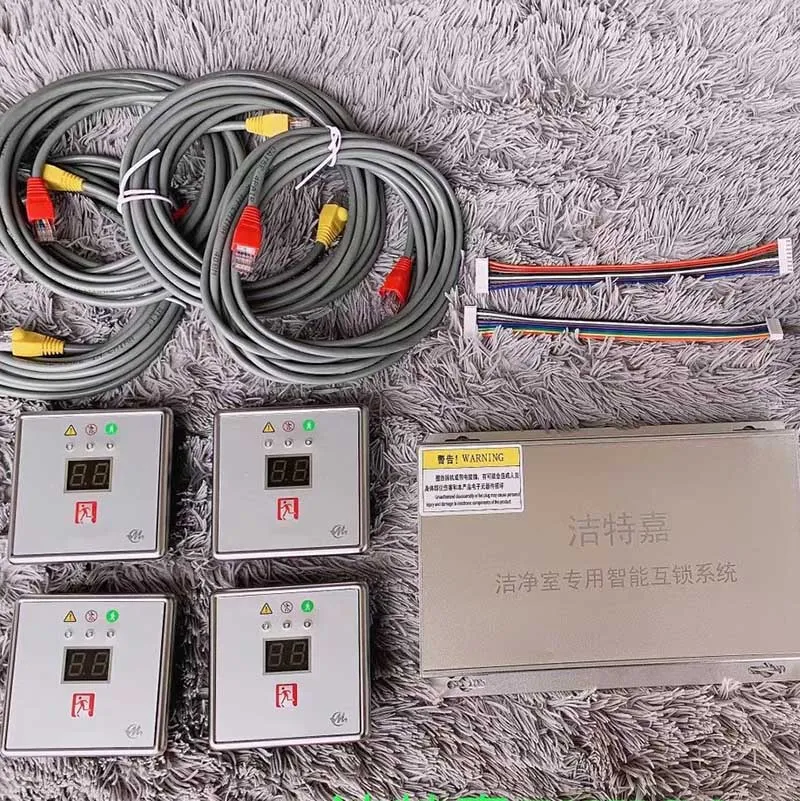
Interlock system is a critical engineering control for maintaining pressure differentials, preventing cross-contamination, and ensuring procedural integrity in environments where air purity and operational sequence are non-negotiable. Unlike basic access controls, this system enforces a strict two-door logic: only one door may be open at any time, and the second door remains mechanically or electronically inhibited until the first is fully closed and verified. It integrates seamlessly with HVAC monitoring, alarm interfaces, and building management systems—supporting ISO Class 3 to ISO Class 8 cleanroom classifications across diverse industrial settings. For engineering teams specifying infrastructure in Malaysia prefabricated cleanrooms, reliability under continuous operation, low maintenance footprint, and compatibility with standard clean room partition panels are primary selection criteria—not just compliance checkboxes.
Technical Specifications
The following table outlines verified performance parameters for the Interlock system under real-world installation conditions. All values reflect field-tested configurations used in certified cleanroom partition installations across ASEAN and APAC regions. Units conform to IEC 60529 (IP rating), UL 10C (fire door interface), and ISO 14644-1 ambient validation protocols.
| Parameter | Specification |
|---|---|
| Operating Voltage | 24 V DC (±10%), Class II isolated supply |
| Response Time | < 0.8 seconds from door closure signal to interlock release |
| Door Interface Compatibility | Standard 30 mm–50 mm frame recess; supports pneumatic, electro-magnetic, and motorized clean room interlock door actuators |
| Environmental Rating | IP54 enclosure; operating range: 5°C to 40°C, RH ≤ 85% non-condensing |
| Material Housing | 304 stainless steel front plate; anodized aluminum chassis |
| Alarm Output | Dual-channel dry contact (NO/NC), configurable for local buzzer, remote SCADA, or clean room interlocking doors status panel |
| Validation Support | Factory-calibrated; includes IQ/OQ documentation package aligned with GMP Annex 1 and ISO 14644-4 |
Application Context Across Sectors
In semiconductor and electronic manufacturing facilities in Penang and Kulim, the Interlock system functions as a foundational barrier between fab sub-zones—particularly at gowning entries, tool load-ports, and chemical delivery corridors. Its fail-safe design prevents simultaneous opening during wafer transfer sequences, eliminating transient particle surges that compromise yield. In biomedical and life science labs handling cell therapies or sterile fill-finish operations, it coordinates with differential pressure sensors to maintain ≥15 Pa cascade gradients across cleanroom partition zones—directly supporting MHRA and WHO GMP requirements. For aerospace component assembly, where particulate-free optical alignment is essential, the system’s mechanical redundancy ensures continuity even during brief power interruptions. In food & beverage production lines qualifying for SQF Level 3, it secures transition points between raw prep, thermal processing, and aseptic packaging—reducing microbial ingress risk without compromising throughput. Automotive Tier-1 suppliers use it at paint booth vestibules and ADAS sensor calibration rooms, where airborne oil mist and overspray must not migrate into final inspection zones. Data centers deploying high-density liquid-cooled server racks rely on its integration with environmental monitoring to prevent humidified air from entering adjacent battery storage bays. In solar cell manufacturing and EV battery module assembly, it safeguards electrode coating clean rooms from ambient humidity spikes during material staging.
Integration with Prefabricated Cleanroom Infrastructure
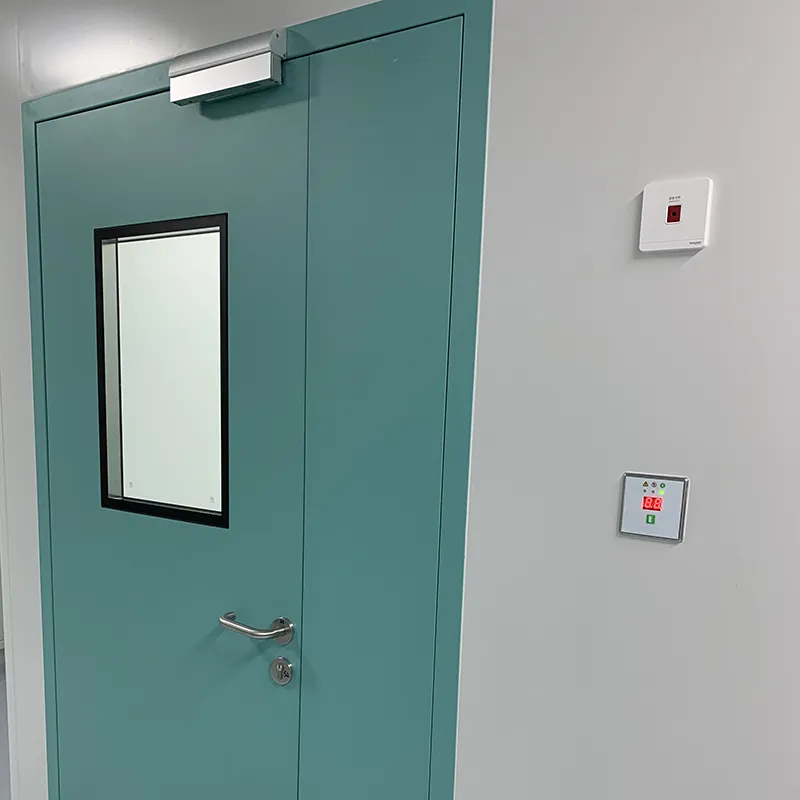
Deployment success depends less on standalone device capability and more on how cleanly the Interlock system interfaces with the broader clean room installation architecture. It is engineered for direct mounting onto structural clean room partition panels—including those with integrated electrical raceways and acoustic damping layers. The mounting flange aligns precisely with standard 1200 mm and 2400 mm panel widths, avoiding field-cutting or custom framing. Wiring pathways integrate with pre-routed conduits in clean room partition panels, enabling plug-and-play connection to ceiling-mounted HVAC controllers and lighting sequencers. When specified alongside Malaysia prefabricated cleanrooms, the system arrives pre-configured with panel-specific bracketing and torque-verified actuator linkages—cutting on-site commissioning time by up to 60%. This modularity supports phased expansions: adding a new clean room interlocked door to an existing line requires no reprogramming of the master controller, only physical mounting and terminal verification.
Selection Criteria for Engineering Teams
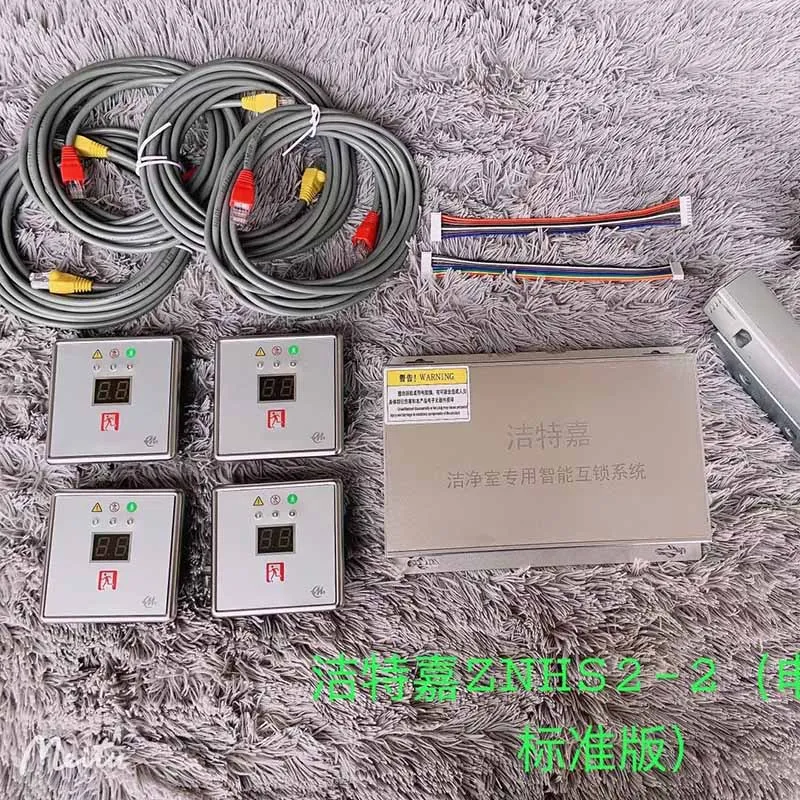
For engineers evaluating clean room interlock door suppliers, three practical benchmarks matter more than certification logos: repeatability under 10,000-cycle testing, field-serviceable components (no proprietary tools required), and documented compatibility with third-party BMS platforms like Siemens Desigo, Honeywell EBTS, and Schneider EcoStruxure. A clean room interlock system must tolerate daily use in high-traffic gowning areas without drift in timing thresholds or false lockouts. It should allow local override via key switch—not software password—during emergency egress or maintenance, while retaining full audit trail logging. Importantly, it must coexist with existing cleanroom supplier workflows: no requirement to source doors, frames, or sensors from a single vendor. The clean room interlocking doors it serves can be sourced independently—as long as they meet minimum frame depth and actuator torque specs. Final validation remains the responsibility of the clean room manufacturer, but this Interlock system delivers the traceable, calibrated hardware layer needed to pass regulatory review without retrofit delays. For teams sourcing a clean room supplier capable of end-to-end coordination, pairing this system with cleanroom manufacturer services simplifies interface handover and reduces commissioning risk across multi-trade clean room installation projects.
Get a project-specific quote in 24 hours
Send your cleanroom classification, floor area and finish requirements. Our Malaysia-based engineering team replies with a stamped datasheet, fire certificate and pricing — 7×24 technical support by email, phone or WhatsApp.
Chat on WhatsApp