






Ceiling Grid System
Cleanroom false ceiling system
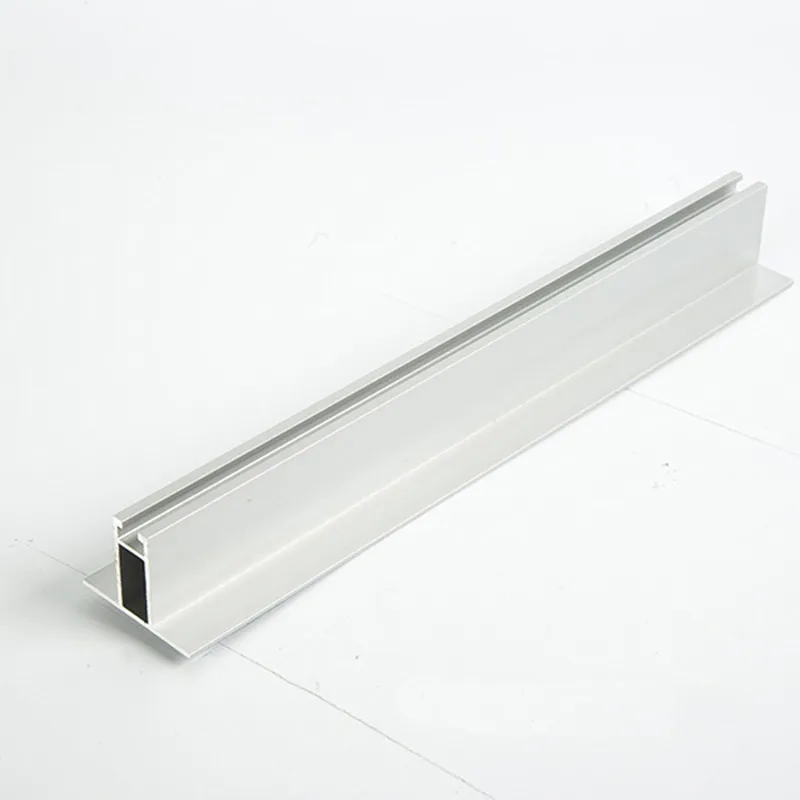
The T-bar ceiling system is suspended by an aluminum alloy beam shaped like the inverted letter "T", which is used on both sides are used to support the weight of the ceiling,, and the middle part of the structure is used for suspension.
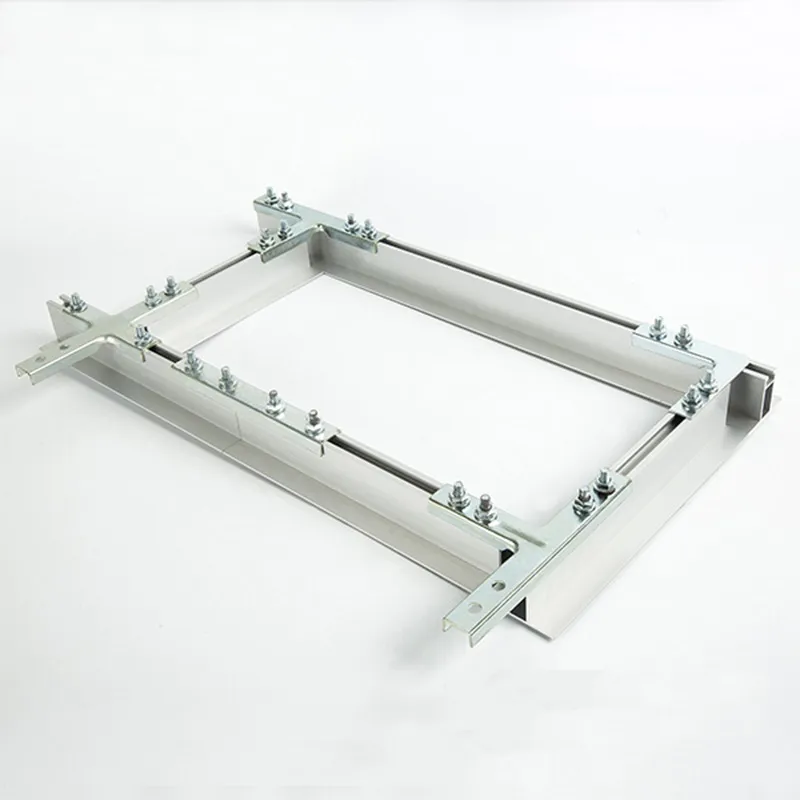
clean room false ceiling system: Precision-Engineered for Multi-Sector Cleanroom Integrity
With over two decades of hands-on experience designing, specifying, and commissioning clean environments across ASEAN and global supply chains, I’ve seen how a seemingly secondary component — the ceiling — often becomes the decisive factor in long-term ISO compliance, operational uptime, and contamination control. The clean room false ceiling system is not just a finishing layer; it’s an integrated pressure-management, particle-trapping, and service-integration platform. Unlike generic suspended ceilings, this system is engineered to work in concert with **Malaysia prefabricated cleanrooms**, maintaining uniform airflow velocity (0.3–0.45 m/s for ISO 5), minimizing turbulence at critical work zones, and enabling seamless integration with FFUs, lighting, sensors, and fire-rated ductwork.
For engineering teams in Malaysia’s semiconductor fabs — where sub-10nm lithography demands zero airborne molecular contamination (AMC) from ceiling materials — our panels use low-outgassing, Class A1 non-combustible aluminium composite cores with electropolished stainless steel facing. In biopharma cleanrooms (Grade A/B), the same system supports rapid wet cleaning validation and meets USP <797>/<800> surface compatibility requirements. Aerospace and optical manufacturers benefit from vibration-damped mounting rails and ultra-flat panel tolerances (<0.15 mm/m), while food & beverage and EV battery dry rooms rely on its resistance to condensation, corrosion, and repeated sanitisation cycles. As a trusted **Modular cleanroom ceiling panels** provider, we deliver consistent performance — regardless of whether your project is in Penang, Kulim, or Senai.
Technical Specifications: Verified for Real-World Environments
| Parameter | Specification | Compliance / Notes |
|---|---|---|
| Panel Material | Aluminium honeycomb core + 0.8 mm anodised Al cladding (standard); optional 316L SS or coated steel | ASTM E84 Class A, EN 13501-1 A2-s1,d0 |
| Panel Thickness | 50 mm, 60 mm, or 75 mm (custom) | Optimised for acoustic attenuation (≥32 dB Rw) and thermal stability (ΔT ≤ 1.2°C across panel) |
| Flatness Tolerance | ≤ 0.15 mm per metre | Critical for photolithography alignment and laser interferometry setups |
| Seam Design | Continuous gasketed tongue-and-groove with silicone-free EPDM seal | No particle shedding; validated per ISO 14644-1 Class 3 (ISO 3) during dynamic operation |
| Load Capacity | Up to 120 kg/m² static (FFU + lighting + sensor array) | Includes safety factor ≥2.5; certified for ceiling-mounted laminar flow hoods |
| Fire Rating | Non-combustible (A1), zero smoke toxicity (EN ISO 5659-2) | Mandatory for Malaysian data centres (MS 1080:2020) and EV battery assembly lines |
| Cleaning Resistance | Validated for >2,000 cycles of 70% IPA, VHP, and sodium hypochlorite (500 ppm) | Aligned with WHO TRS 937 Annex 2 and PIC/S PE 009-16 |
Application Integration: From Design to Daily Operation
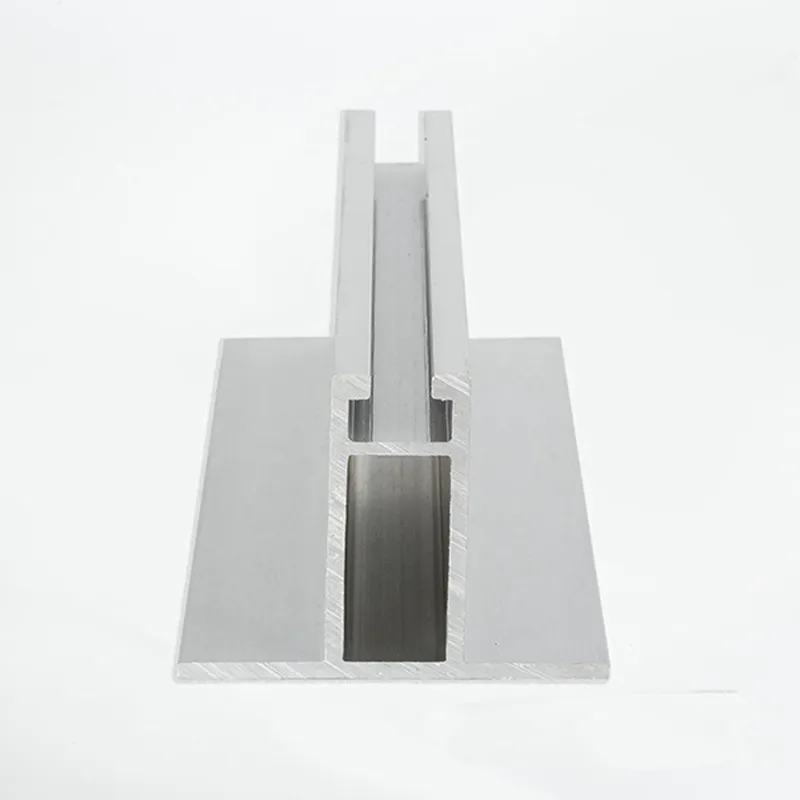
This clean room false ceiling system is purpose-built for interoperability — not isolation. It interfaces directly with **Malaysia clean room wall panels**, using shared rail profiles and unified gasketing to eliminate interstitial gaps where microbes or particles accumulate. When paired with **Malaysia modular cleanroom systems**, ceiling modules align precisely with structural columns and service chases, cutting field assembly time by up to 40% versus stick-built alternatives. In high-mix electronics manufacturing, the system supports quick reconfiguration: panels lift out without tools, allowing access to overhead utilities while preserving adjacent zone integrity — essential for maintaining classification during maintenance windows.
For biologics fill-finish suites, the ceiling integrates seamlessly with **modular clean rooms work stations**, enabling localised ISO 5 laminar flow within larger ISO 7 background spaces — all without compromising HEPA filter efficiency or increasing energy load. In automotive EV battery dry rooms (dew point ≤ −40°C), the panels’ thermal break design prevents condensation bridging and eliminates cold spots that trigger moisture-related dendrite growth. And because it’s delivered as part of a full ecosystem — including **modular cleanroom**, **modulaire cleanroom**, and **Modular clean room** solutions — engineering teams gain single-point accountability. As a responsive **Malaysia cleanroom manufacturer**, we provide full BIM-ready models, site-specific installation protocols, and third-party air balance reports — no assumptions, no revisions.
Whether you’re scaling a new semiconductor packaging line in Batu Kawan, validating a cell therapy suite in Cyberjaya, or commissioning a hydrogen fuel cell test chamber in Johor Bahru, this ceiling system delivers what matters most: predictable performance, verifiable compliance, and measurable ROI in reduced downtime and requalification cycles. It’s not just installed — it’s commissioned, validated, and supported. Because in cleanroom engineering, the ceiling isn’t overhead. It’s the foundation of control.
Get a project-specific quote in 24 hours
Send your cleanroom classification, floor area and finish requirements. Our Malaysia-based engineering team replies with a stamped datasheet, fire certificate and pricing — 7×24 technical support by email, phone or WhatsApp.
Chat on WhatsApp